
A Beginner's Guide to Mushroom Cultivation in Idaho's Climate
Understanding Idaho's Climate for Mushroom Cultivation
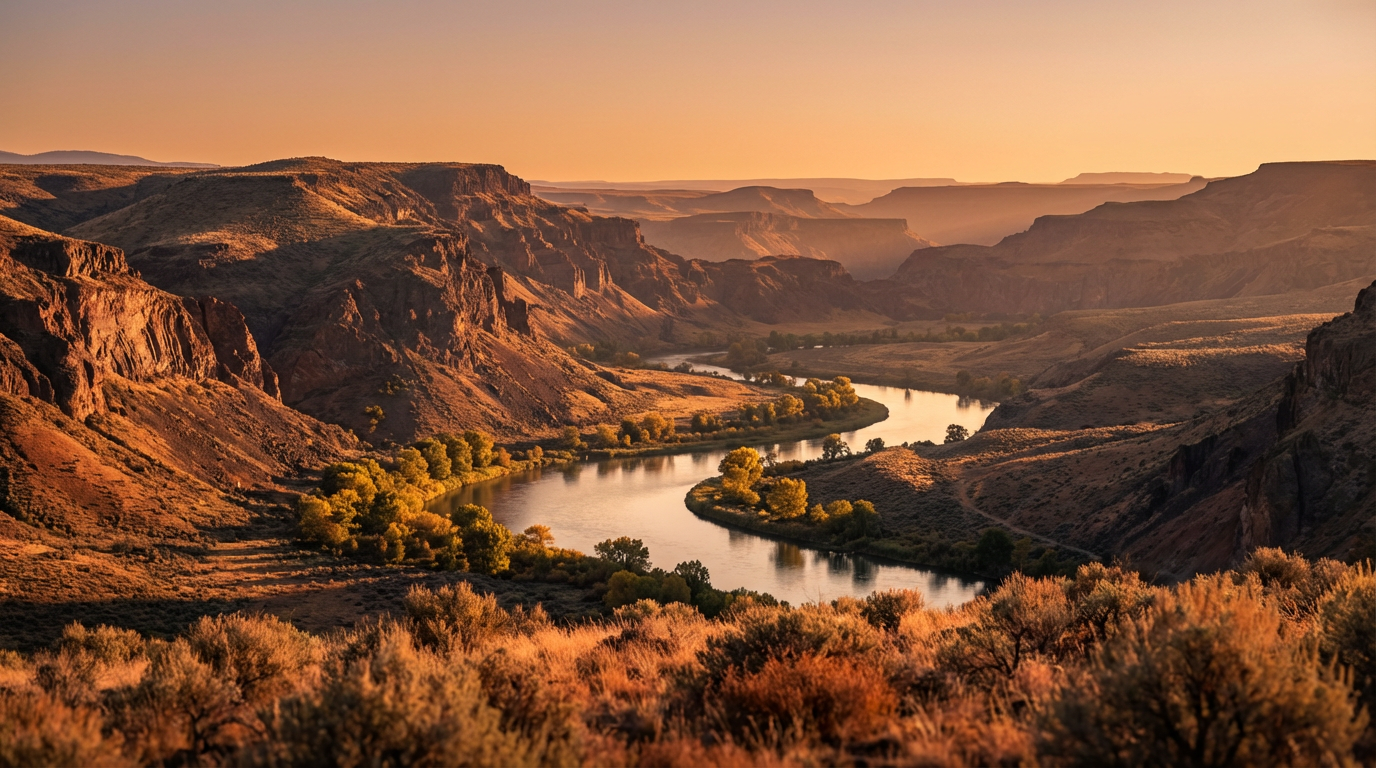
Idaho's diverse climate, ranging from semi-arid to mountainous, offers unique opportunities and challenges for mushroom cultivation. The state's varying temperatures and humidity levels can affect mushroom growth, making it essential to understand the specific requirements of different mushroom species.
Choosing the Right Mushroom Species
When starting your mushroom cultivation journey in Idaho, selecting the right species is crucial. Common options include oyster, shiitake, and lion's mane mushrooms. Each species has specific temperature and humidity requirements that align differently with Idaho's climate.
For instance, oyster mushrooms thrive in cooler temperatures, making them suitable for areas with higher elevations. Conversely, shiitake mushrooms require a more stable environment and can be grown indoors to control conditions effectively.
Creating the Ideal Growing Environment
Once you've chosen your mushroom species, the next step is to create an ideal growing environment. This involves controlling temperature, humidity, and light. Using a greenhouse or indoor setup can help you manage these variables effectively.
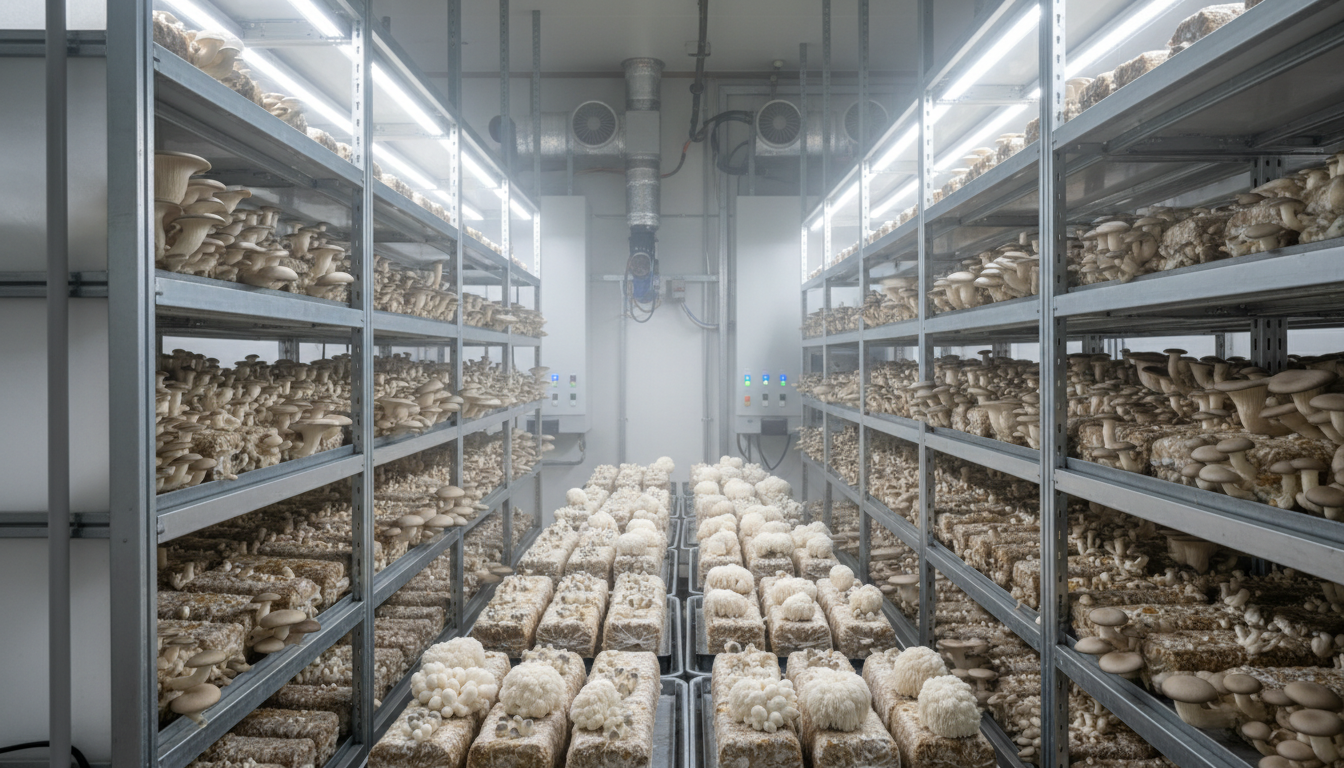
For outdoor cultivation, consider factors like shade and wind protection. Creating microclimates using natural barriers or artificial structures can help maintain the necessary conditions for mushroom growth.
Substrate Preparation and Inoculation
The substrate is the medium on which mushrooms grow, and its preparation is a crucial step. Depending on the mushroom species, substrates can vary from straw and wood chips to coffee grounds. Properly pasteurizing or sterilizing the substrate is essential to prevent contamination.
Inoculation involves introducing mushroom spores or spawn into the substrate. Ensuring cleanliness during this process is vital to avoid competition from unwanted fungi.
Monitoring Growth and Harvesting
Monitoring the growth of your mushrooms is a rewarding part of the cultivation process. Regularly check temperature and humidity levels, making adjustments as necessary to ensure optimal conditions.
Harvesting at the right time is crucial for the best flavor and texture. Most mushrooms are ready for harvest when the cap opens and the veil breaks, revealing the gills underneath.
Troubleshooting Common Issues
Despite your best efforts, you may encounter challenges like contamination, pests, or environmental fluctuations. Identifying these issues early and taking corrective action can save your crop. Common solutions include adjusting environmental controls, improving sanitation, and sometimes starting a new batch if contamination is severe.
By understanding Idaho's unique climate and carefully managing your growing conditions, mushroom cultivation can be a fruitful and enjoyable endeavor. Whether for personal consumption or commercial purposes, the journey of growing mushrooms is both educational and fulfilling.