
A Comprehensive Guide to Organic Mushroom Farming in Boise
Understanding Organic Mushroom Farming
Organic mushroom farming is a sustainable and rewarding practice that has gained popularity in recent years. In Boise, the demand for fresh, locally grown organic produce has increased, making mushroom farming an attractive venture for both beginners and experienced growers. Mushrooms are not only nutritious but also versatile in culinary applications.
Organic farming focuses on natural processes and eschews synthetic fertilizers and pesticides. This approach not only benefits the environment but also results in mushrooms that are free from harmful chemicals. Understanding the basics of organic farming will help you successfully nurture your mushroom crops.
Choosing the Right Mushroom Varieties
When starting an organic mushroom farm, selecting the right mushroom varieties is crucial. Some popular types include Shiitake, Oyster, and Button mushrooms. Each variety has specific growing requirements, so it's essential to research and choose the ones that suit your climate and resources.
Shiitake mushrooms, for instance, thrive on hardwood logs, while Oyster mushrooms can grow on a variety of substrates, including straw and coffee grounds. Button mushrooms prefer composted manure. Understanding these requirements will guide you in setting up your farm effectively.
Setting Up Your Mushroom Farm
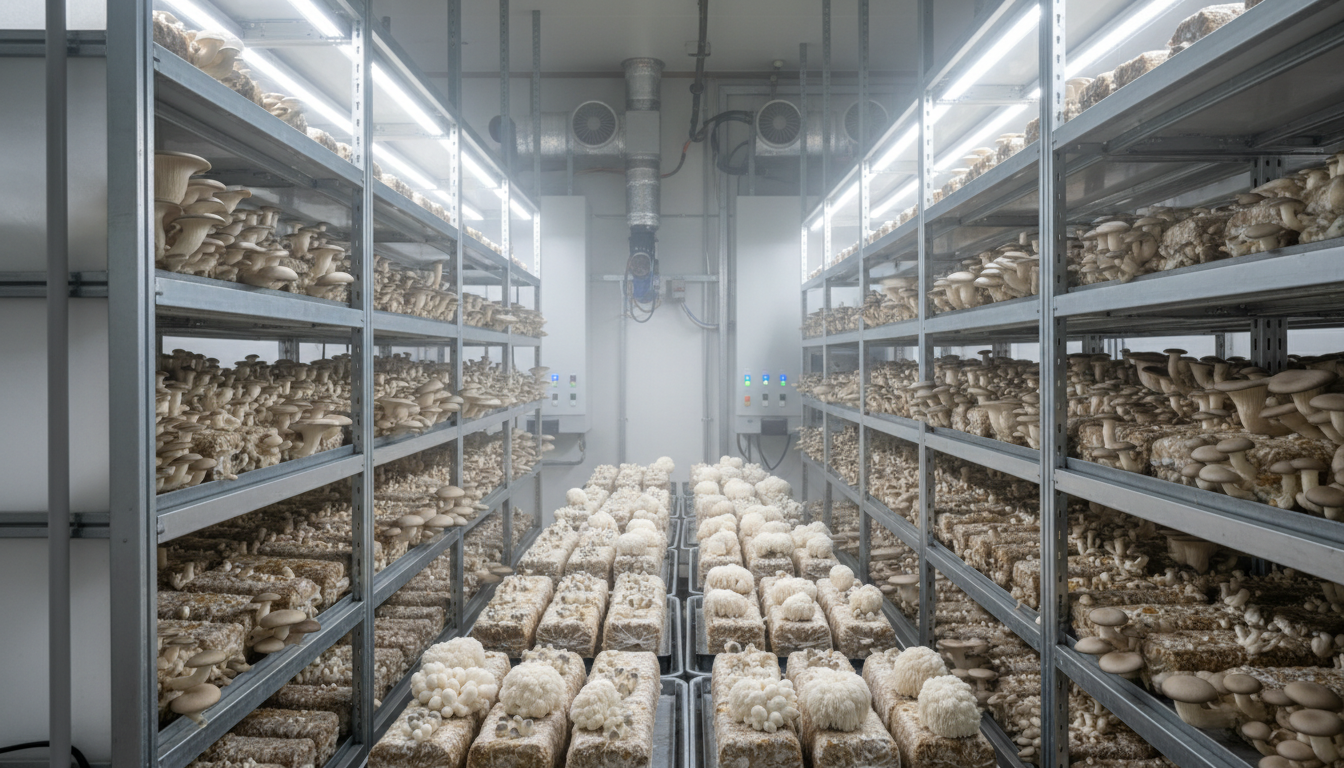
Creating the right environment is key to successful mushroom farming. Most mushrooms require a dark, humid environment to flourish. Consider setting up your farm in a shaded area or using a greenhouse to control temperature and humidity levels.
Invest in high-quality substrate materials and ensure they are free from contaminants. Pasteurization of the substrate is often necessary to eliminate unwanted organisms. This step is particularly important in organic farming to maintain the integrity of your produce.
Maintaining Optimal Growing Conditions
Monitoring and maintaining optimal growing conditions is essential for healthy mushroom production. Regularly check the temperature, humidity, and ventilation within your growing area. Most mushrooms prefer temperatures between 55-75°F and humidity levels around 80-90%.
Proper ventilation is necessary to prevent the accumulation of carbon dioxide, which can inhibit mushroom growth. Use fans or vents to ensure proper air circulation.
Harvesting and Marketing Your Mushrooms
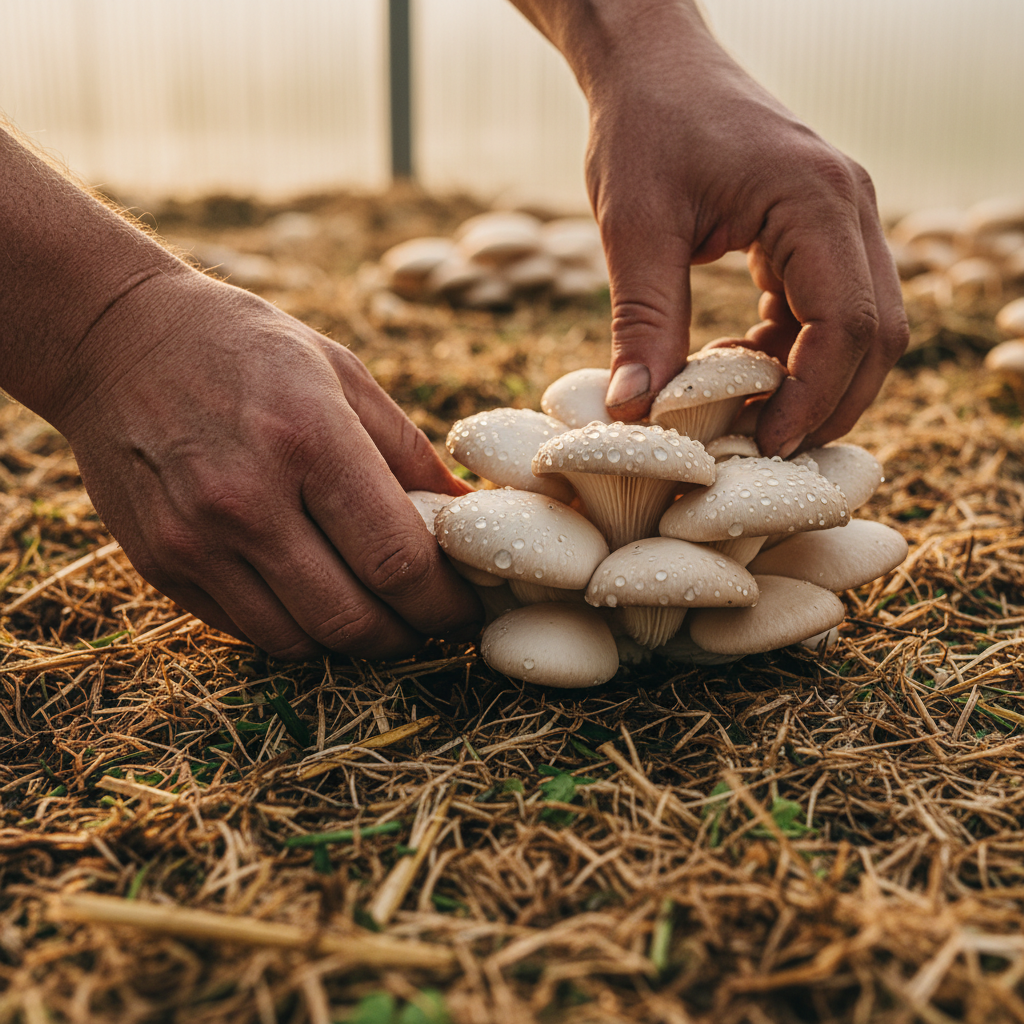
Once your mushrooms reach maturity, it's time to harvest. This typically involves gently twisting or cutting the mushrooms at the base. Be careful not to damage the substrate, as it can continue to produce more mushrooms in subsequent flushes.
Marketing your organic mushrooms in Boise can be rewarding. Consider selling at local farmers' markets, grocery stores, or directly to restaurants. Highlight the organic nature of your produce to attract health-conscious consumers.
Ensuring Sustainability and Growth
To ensure the sustainability of your mushroom farm, continuously assess and improve your cultivation practices. Rotate substrates and experiment with different mushroom varieties to diversify your offerings. Engaging with local agricultural communities can also provide valuable insights and support.
Organic mushroom farming in Boise is not just a business; it's a commitment to sustainable agriculture and healthy living. By following these guidelines, you can successfully cultivate mushrooms that are both delicious and environmentally friendly.