
Debunking Myths About Organic Mushroom Farming
Understanding Organic Mushroom Farming
Organic mushroom farming is an intriguing and sustainable practice that has gained popularity in recent years. However, like many agricultural practices, it is shrouded in myths and misconceptions. In this post, we will debunk some of the most common myths surrounding organic mushroom farming, shedding light on the realities of this fascinating industry.
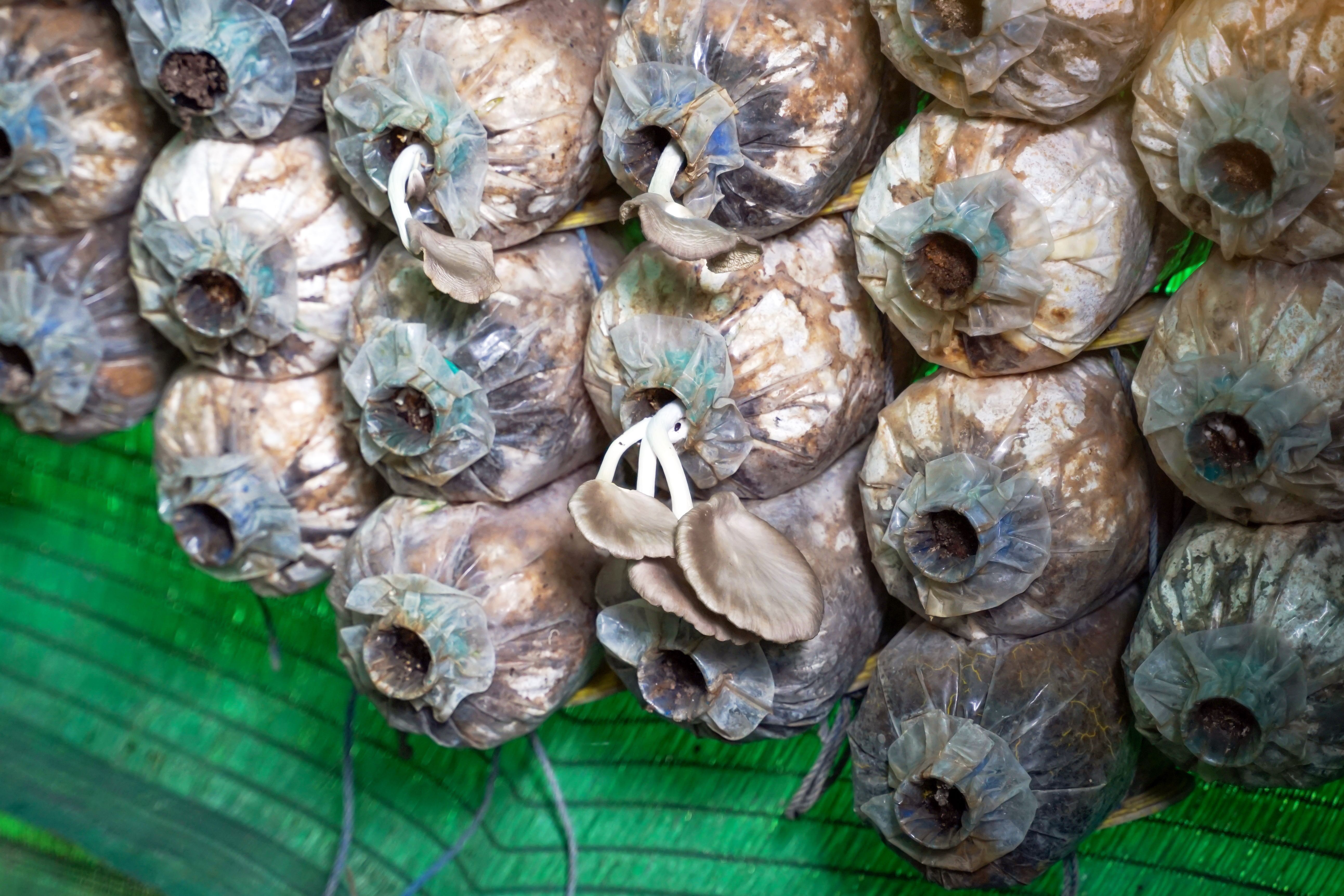
Myth 1: Organic Mushrooms Are Always Safer
One prevalent myth is that organic mushrooms are inherently safer than conventionally grown varieties. While organic farming practices are designed to minimize the use of synthetic chemicals, it doesn't automatically guarantee that organic mushrooms are safer. Proper handling and cleanliness are crucial in both organic and conventional farming to ensure the safety of the produce.
Organic certification involves strict guidelines that farmers must adhere to, but consumers should still practice safe food handling techniques. Always wash mushrooms thoroughly before consumption, regardless of their farming method.
Myth 2: Organic Mushroom Farming Is More Expensive
Many people believe that organic mushroom farming is significantly more expensive than conventional methods. This myth stems from the perception that organic farming requires more labor-intensive practices. However, while initial costs may be higher due to certification fees and organic inputs, many farmers find that organic methods can be economically viable in the long run.
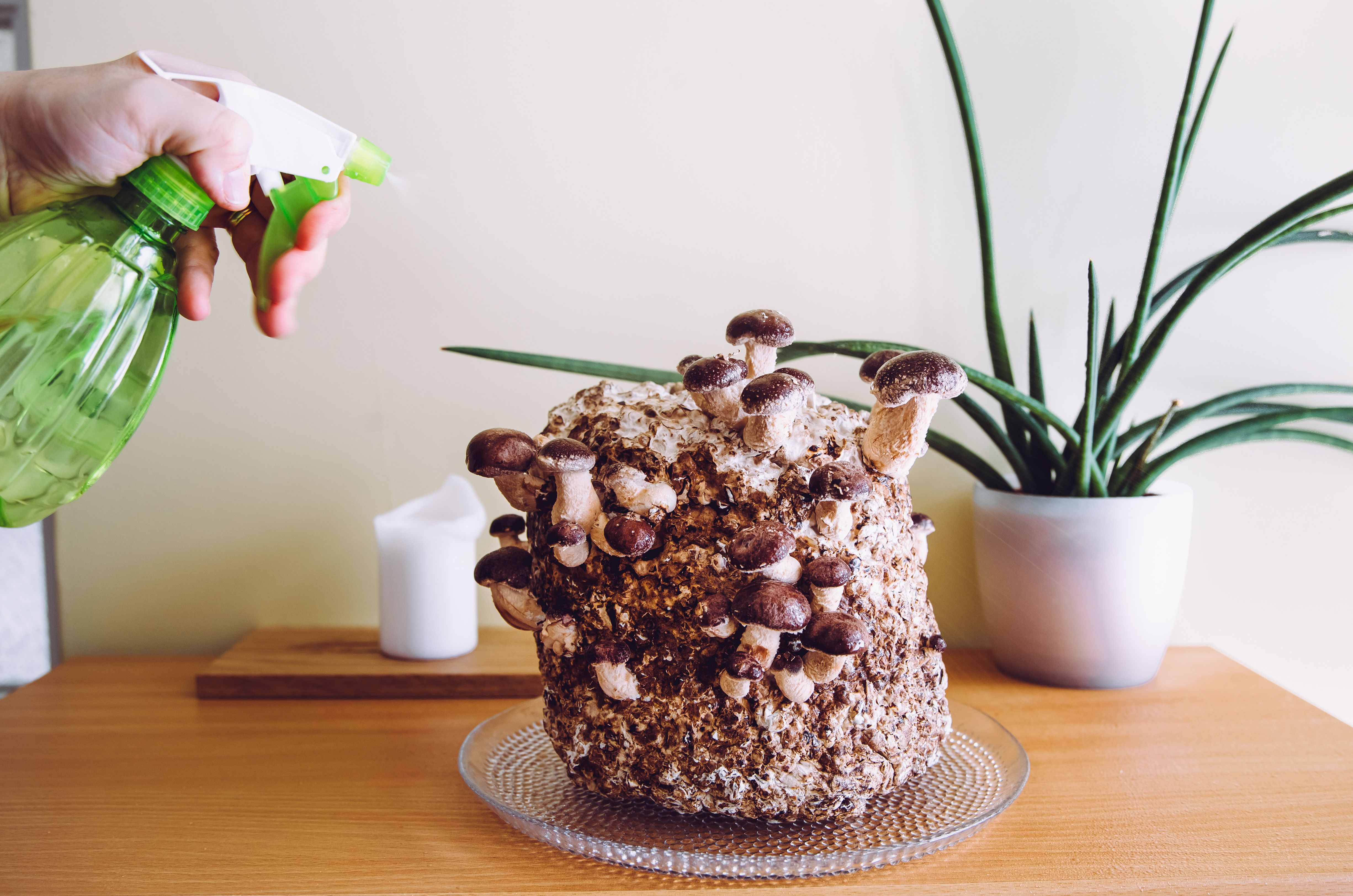
Organic farming often leads to healthier soil, reduced input costs over time, and the potential for premium pricing at market, which can offset initial expenses. Additionally, the rise in consumer demand for organic produce can offer a profitable market for organic mushroom farmers.
Myth 3: Organic Mushrooms Have No Pesticides
Another common misconception is that organic mushrooms are completely free of pesticides. In truth, organic farming allows for the use of certain natural pesticides and fertilizers. These must meet strict regulatory standards to ensure they are safe and environmentally friendly.
Organic farmers often employ integrated pest management strategies, focusing on natural solutions and preventive measures. This approach minimizes the need for interventions and maintains ecological balance.

Myth 4: Organic Farming Yields Are Lower
It is often assumed that organic farming, including mushroom cultivation, results in lower yields compared to conventional methods. While yields can vary, many organic mushroom farmers achieve comparable, if not superior, yields by employing innovative techniques and focusing on soil health.
The emphasis on biodiversity and sustainable practices can lead to resilient farming systems capable of producing robust crops over time. As organic farming practices continue to evolve, yield differences are becoming less significant.
Myth 5: Organic Mushrooms Lack Flavor
Some skeptics argue that organic mushrooms lack the flavor of their conventionally grown counterparts. However, many consumers and chefs report that organic mushrooms often have a richer, more complex taste. This can be attributed to the careful cultivation methods and nutrient-rich growing environments.
By focusing on soil health and natural growth processes, organic farmers can produce mushrooms that are not only nutritious but also flavorful, enhancing the culinary experience.
In conclusion, organic mushroom farming is a sustainable and viable agricultural practice that continues to grow in popularity. By understanding and dispelling these myths, consumers and producers alike can appreciate the value and potential of organic mushrooms in a balanced diet and environmentally friendly lifestyle.