
Debunking Myths About Organic Mushroom Farming in Idaho
Understanding Organic Mushroom Farming in Idaho
Organic mushroom farming in Idaho is an intriguing and rapidly growing industry. However, it's surrounded by various myths and misconceptions. In this post, we'll delve into some of these myths and set the record straight. Whether you're a curious consumer or an aspiring mushroom farmer, this guide will provide clarity.
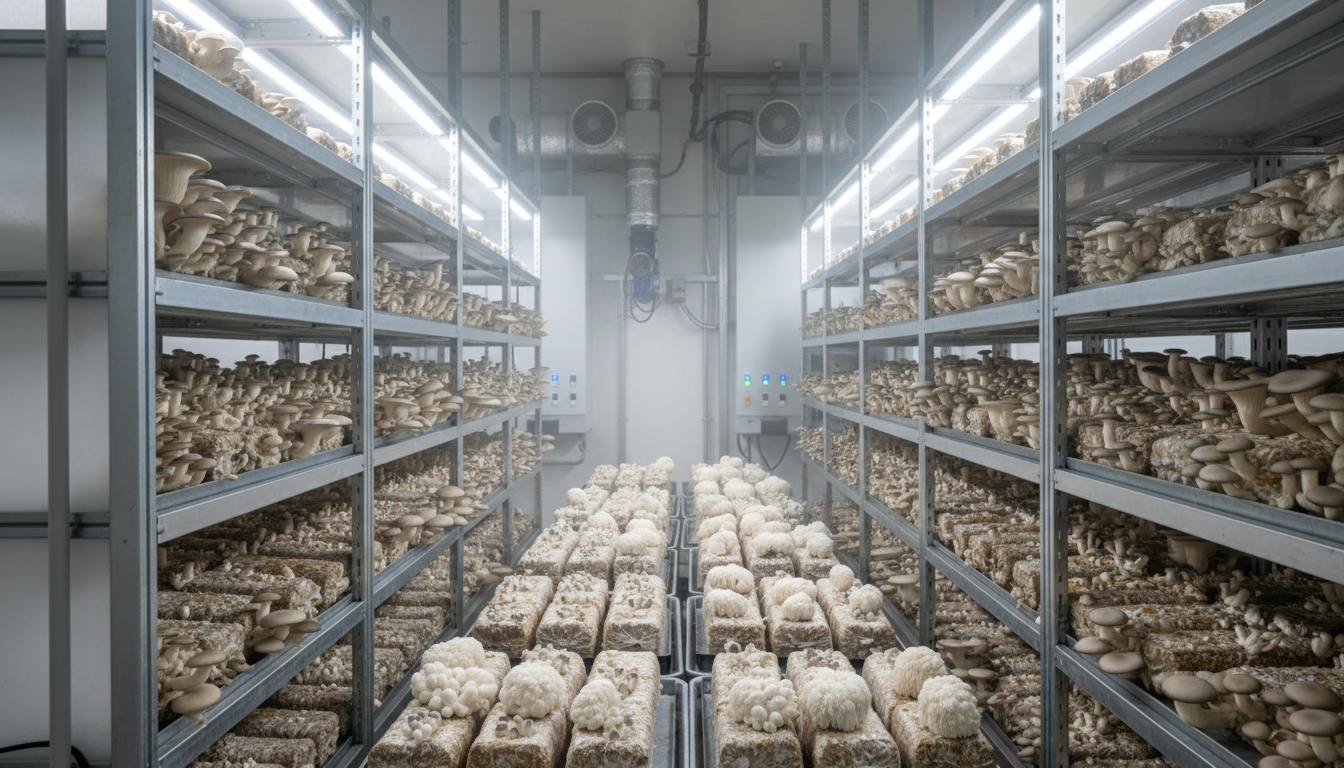
Myth 1: Organic Mushrooms Require No Pesticides
One common myth is that organic mushrooms are grown without any pesticides. While it's true that organic farming limits the use of synthetic chemicals, it doesn't mean that no pest control methods are used. Organic farmers often employ natural alternatives such as neem oil, beneficial insects, and other biological controls to manage pests.
These natural methods are designed to be environmentally friendly and sustainable, ensuring that the mushrooms are safe for consumption while minimizing harm to the ecosystem.
Myth 2: Organic Mushroom Farming is Unregulated
Another misconception is that organic mushroom farming lacks regulatory oversight. In reality, organic farms must adhere to strict guidelines set by organizations like the USDA. These regulations cover everything from the substrate used in growing mushrooms to the methods of pest control.
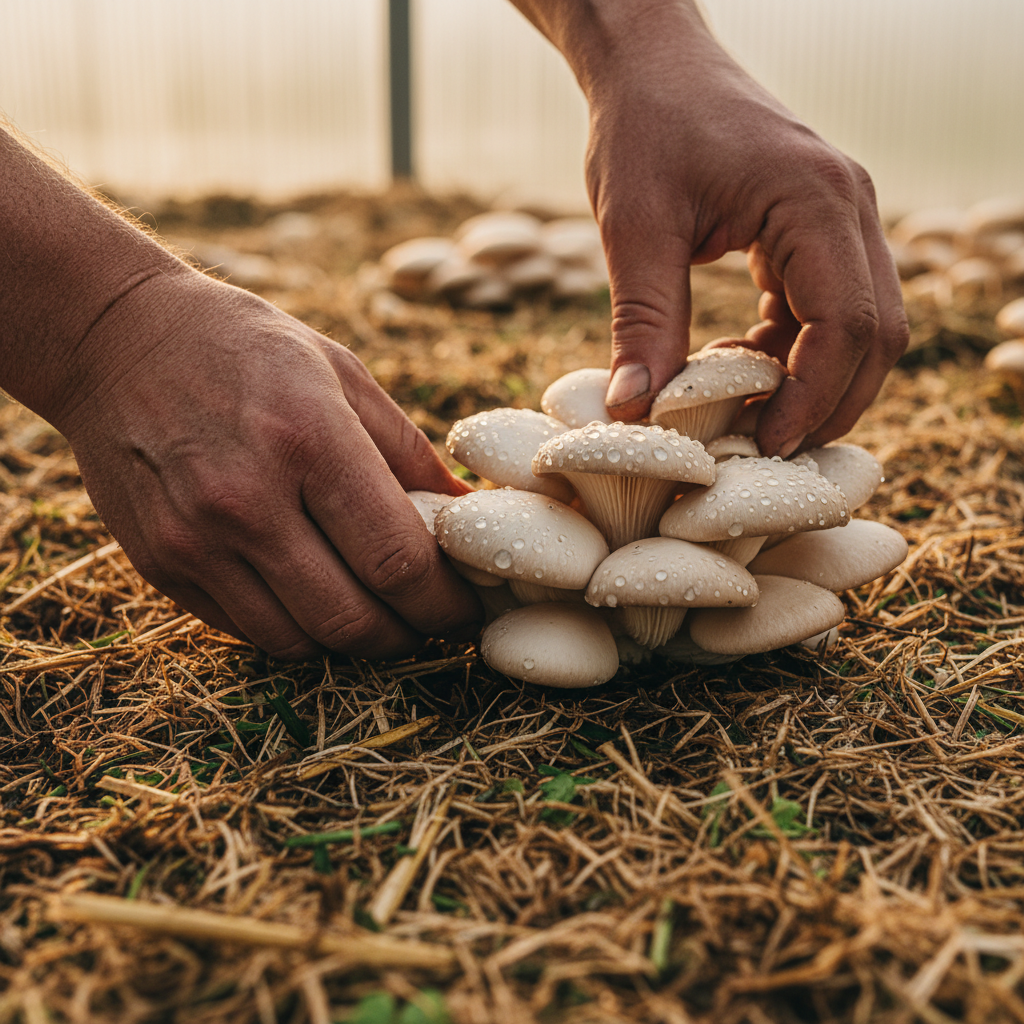
Compliance with these standards is essential for a farm to be certified as organic. Regular inspections and audits ensure that organic farms in Idaho maintain these standards, providing consumers with confidence in the integrity of their products.
Myth 3: Organic Mushrooms are Always Expensive
The perception that organic mushrooms are always more expensive than conventional ones is not entirely accurate. While they can be pricier due to more labor-intensive farming practices, the gap is narrowing. Increased demand and advancements in farming techniques have made organic mushrooms more accessible to a broader audience.
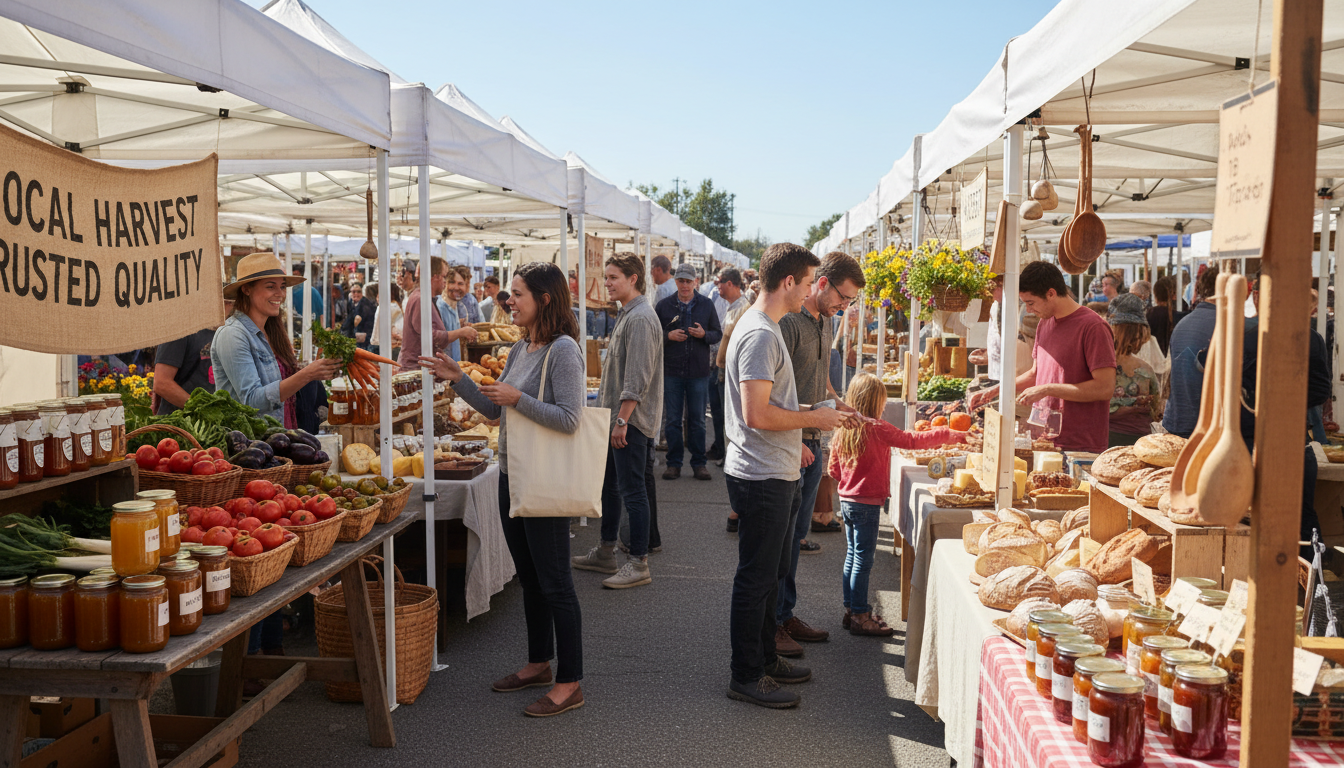
Additionally, purchasing directly from local farmers' markets or joining community-supported agriculture programs can provide access to organic mushrooms at competitive prices.
Myth 4: Growing Organic Mushrooms is Easy
Some believe that growing organic mushrooms is a straightforward process. However, it requires specific knowledge and skills. From selecting the right substrate to controlling humidity and temperature, organic mushroom farming is a precise science.
Farmers must also manage the delicate balance of nurturing mycelium while preventing contamination from unwanted molds and bacteria. This complexity is what makes organic mushroom farming both challenging and rewarding.
Conclusion: Embracing the Truth About Organic Mushroom Farming
Organic mushroom farming in Idaho is a fascinating field that blends innovation with tradition. By debunking these myths, we hope to provide a clearer understanding of what goes into producing these nutritious and flavorful fungi.
Whether you're a consumer eager to make informed choices or someone considering venturing into organic farming, understanding the realities behind these myths will empower you with the knowledge needed to appreciate this unique agricultural practice.